Table of Contents
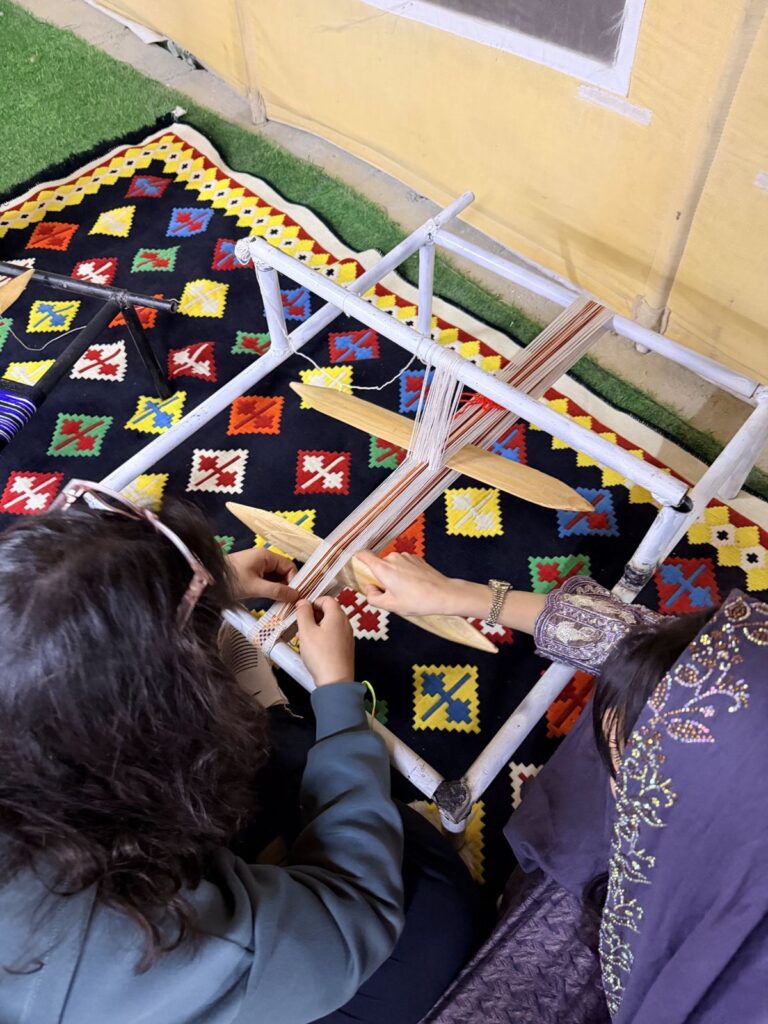
Umm Hamad is an Emirati Sadu artisan. She raises her own sheep, spins their wool and weaves on the loom as her mother taught her. “Sadu is everything in my life,” she says, “and my one joy is Sadu and my sheep.”
From sheep to thread
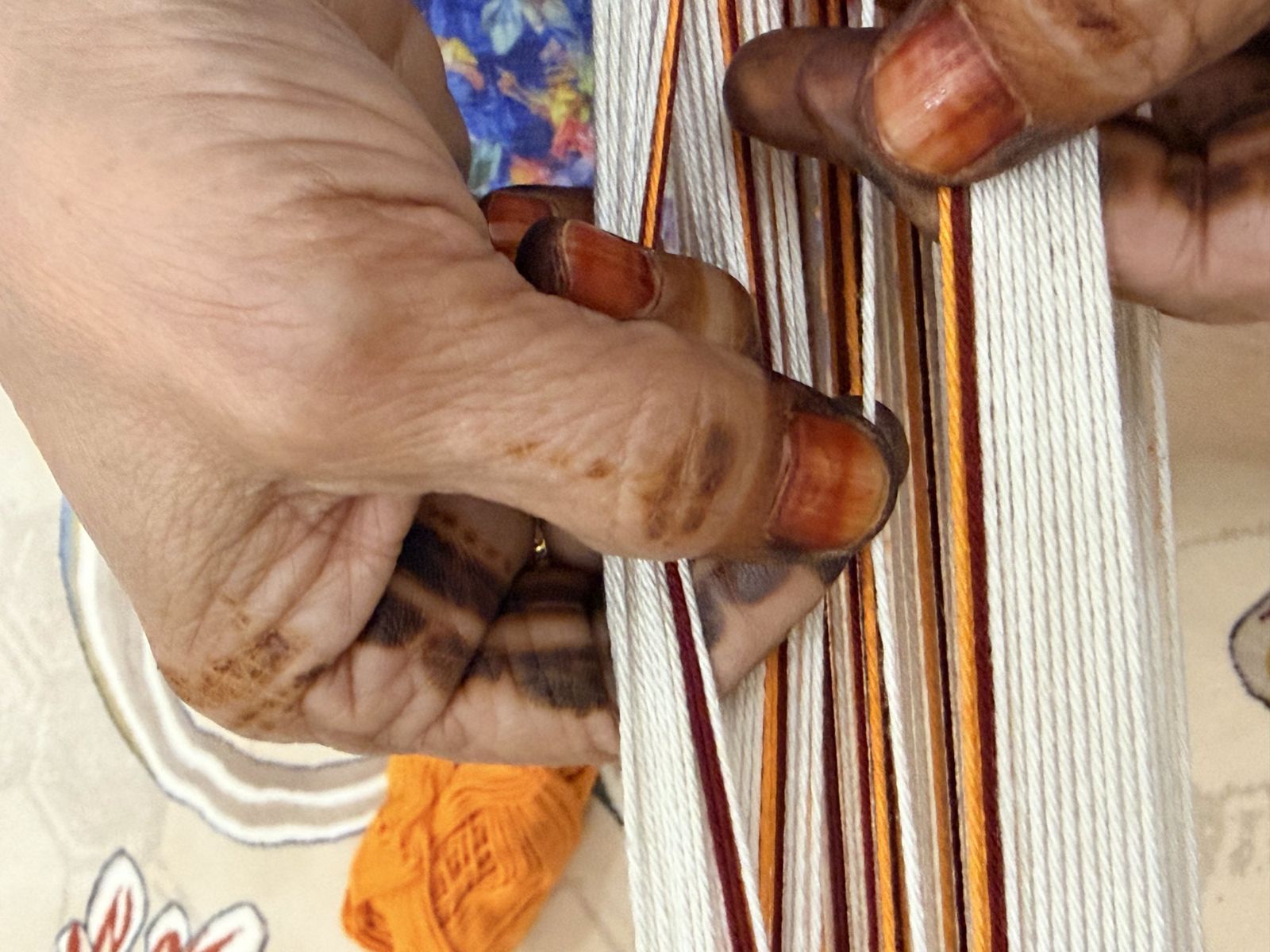
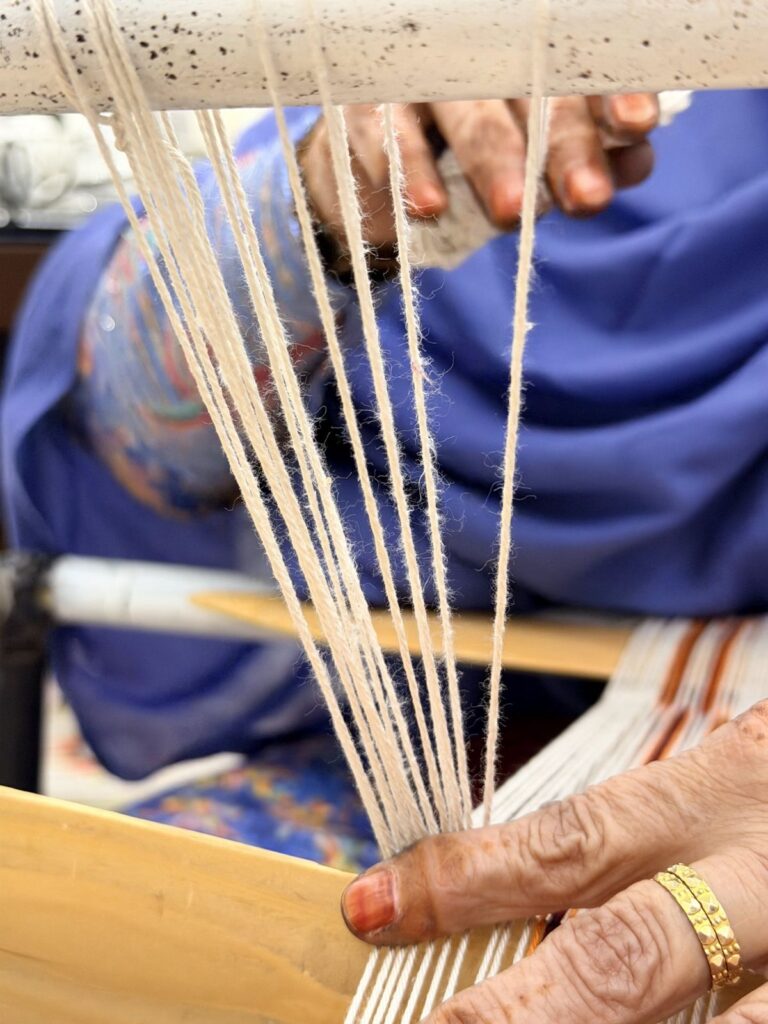
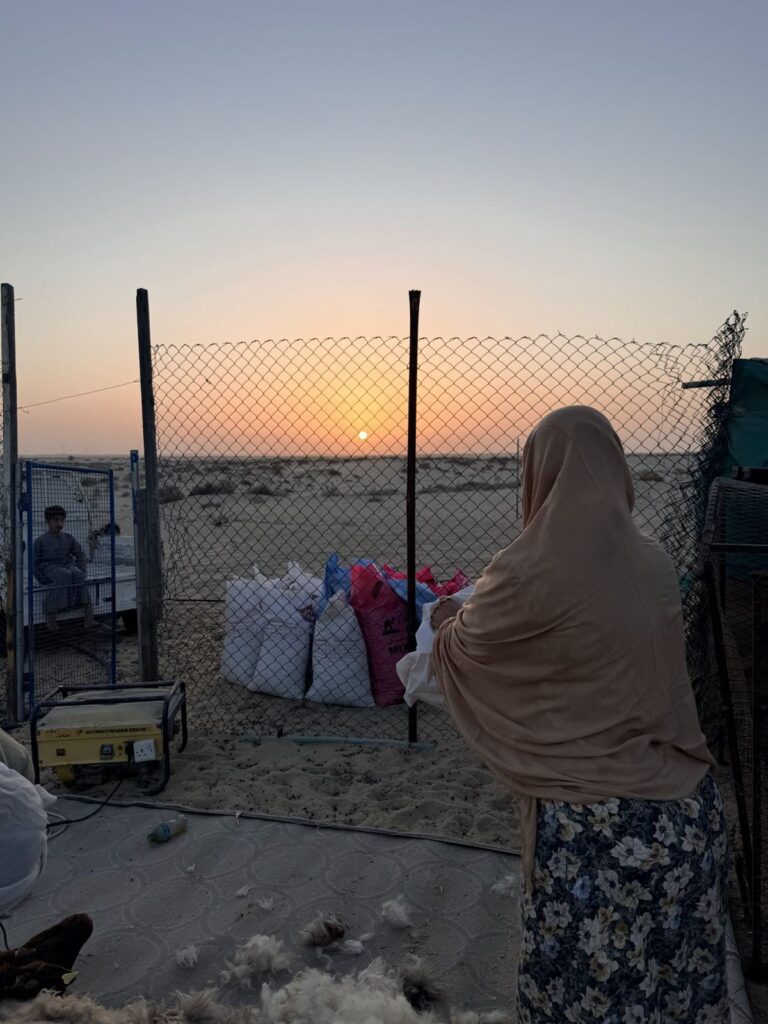
Umm Hamad’s first passion, Sadu, starts with the flock. She spins the wool by hand on a spindle. Explaining why the traditional colours are black and white, she says the black wool comes from the sheep, while the white thread is cotton, usually bought from the market.
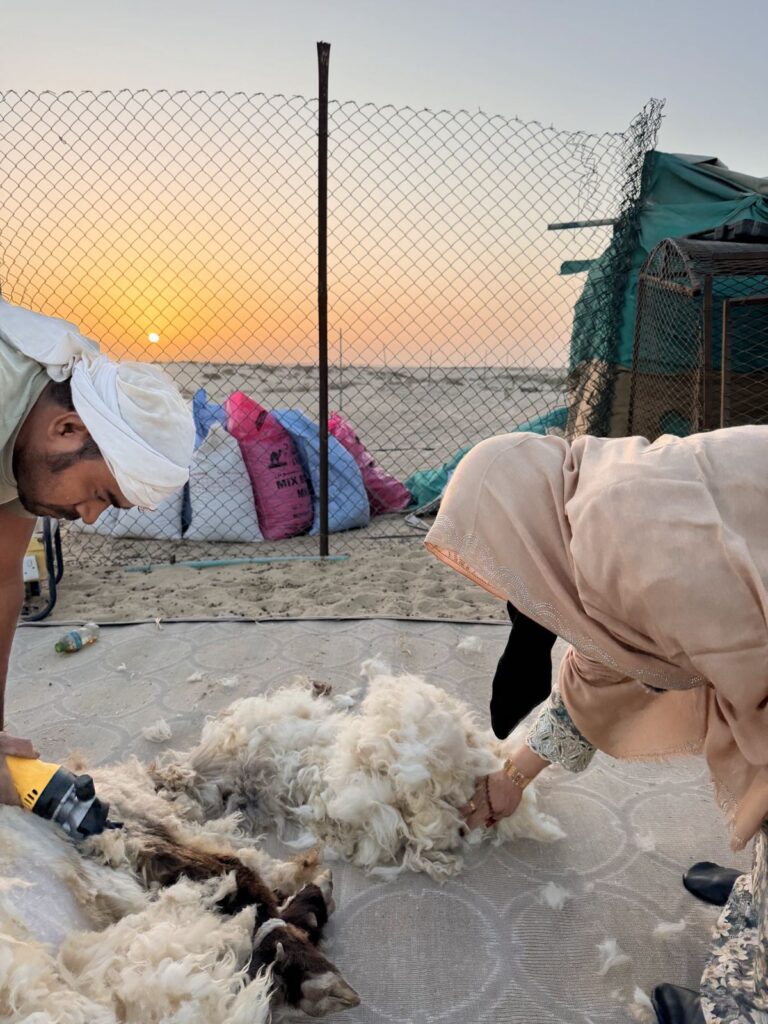
Her second passion is her sheep. Sheep used to be sheared once a year, she explains, but she now shears hers twice to keep them clean and protect them from fungus, lice and skin disease.
Patterns with names
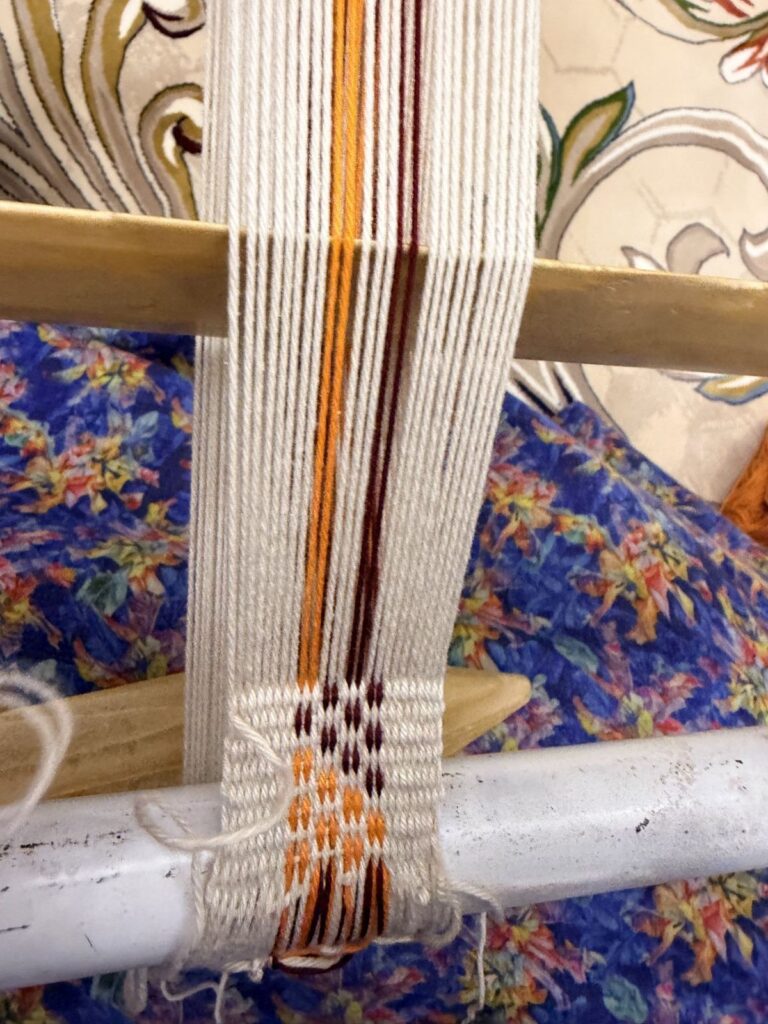
Every Sadu pattern has a name. Umm Hamad shows a piece woven by women in the past, with the scorpion pattern, al aqrab, and other patterns, all inspired by the surrounding environment or by regional events of the time.
At Eid and on other occasions, a woven divider was hung in the tent to separate the men’s side from the women’s, with its decorated face turned towards the men.
“I love precision. I always love precision, in everything.”
Umm Hamad
Learned from her mother
The first Sadu she saw was in her mother’s hands. Her mother first asked her to help, then told her: “Come and learn.”
Today Umm Hamad says the same to her daughters: “One day you’ll wish your mother had taught you. Learn while you can still watch me; life doesn’t last forever.” Her view is simple: “Girls must learn.”
Al Sadu today
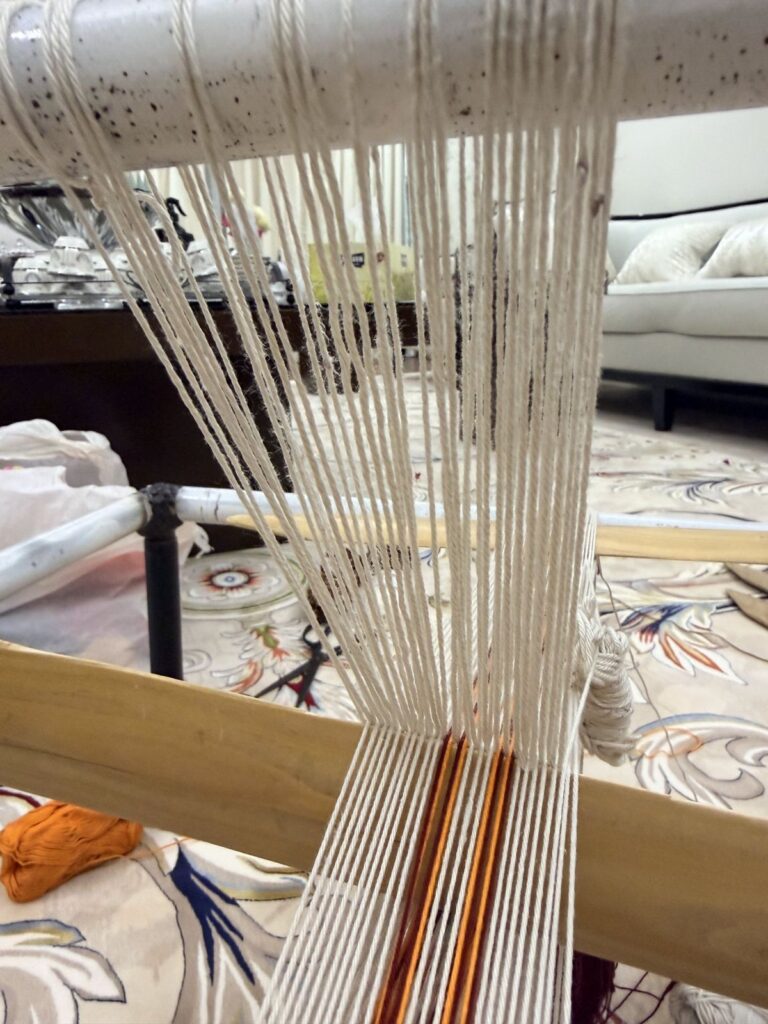
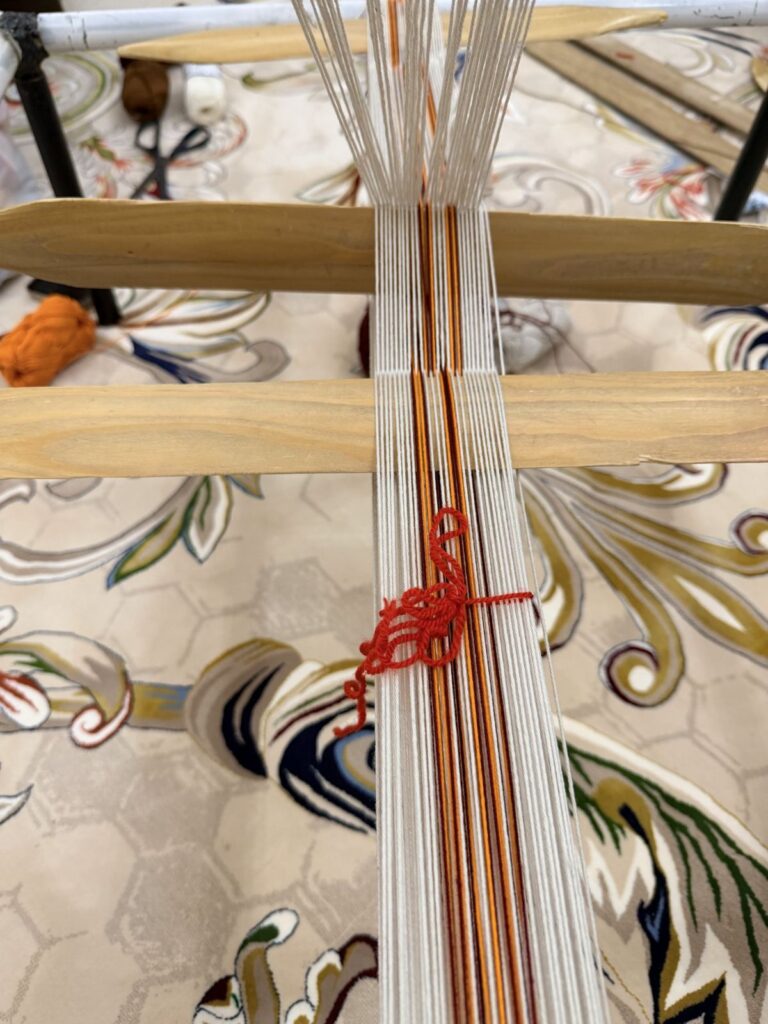
In 2011 UNESCO inscribed “Al Sadu, traditional weaving skills in the United Arab Emirates” on its List of Intangible Cultural Heritage in Need of Urgent Safeguarding, because fewer women were practising it.
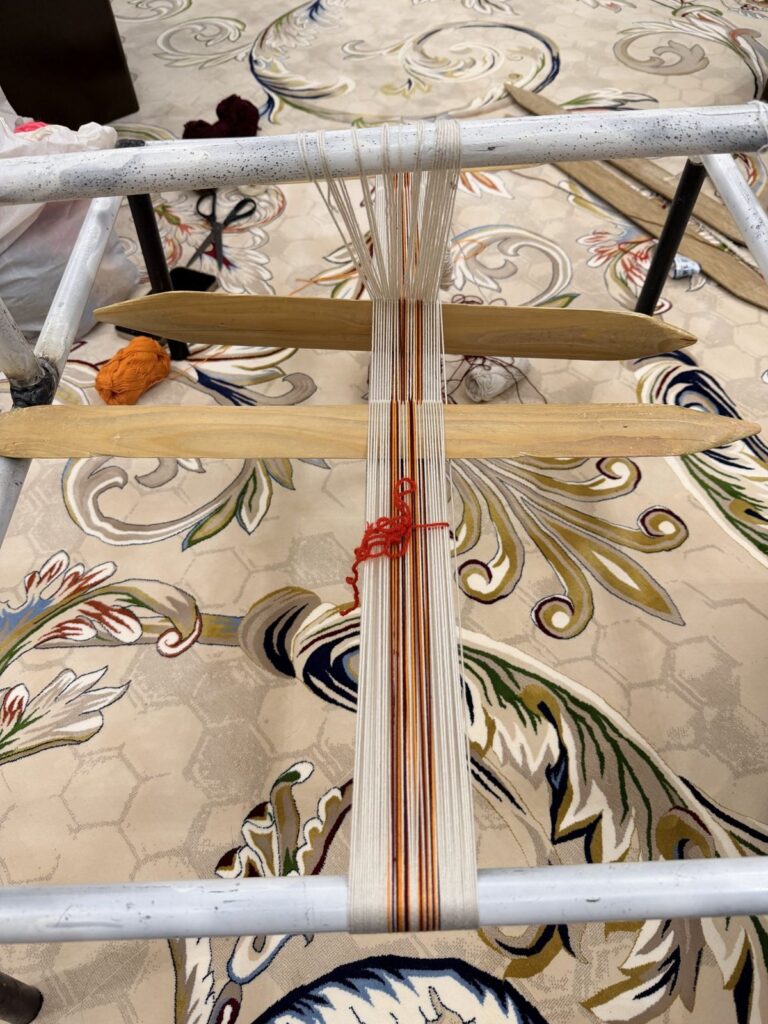
We work with Emirati weavers to share the craft with visitors. On the Sadu Making Experience in Dubai, visitors weave their own piece with an Emirati artisan, and we offer customized Sadu pieces as gifts for companies and events.