
Table of Contents
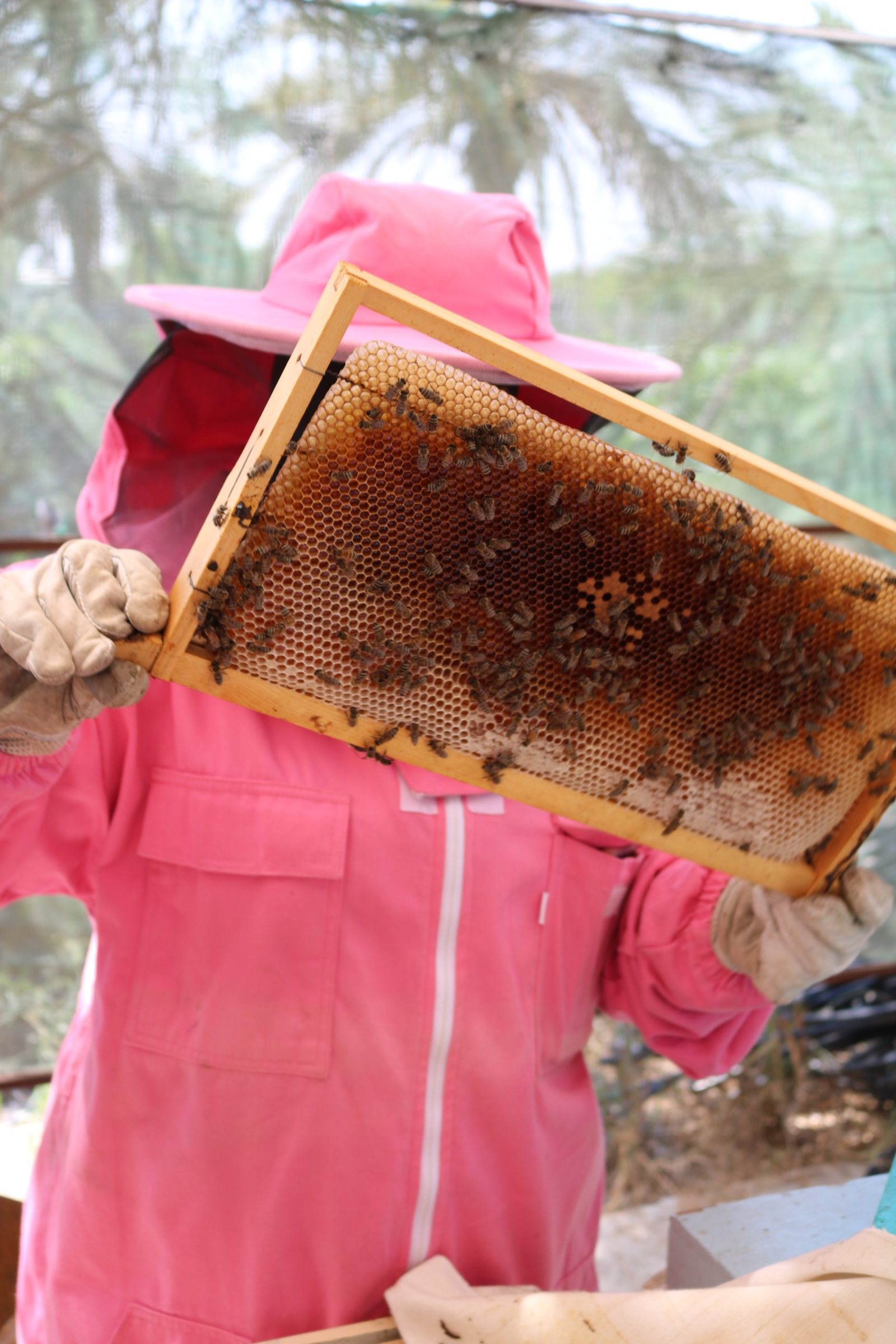
Ameena Mohammed Bin Kalli is the first female Emirati beekeeper and the founder of ABK, a honey producer in the UAE. The three letters are her initials. She produces Sidr, Samar, Ghaf and mangrove honey from Emirati pastures, and she welcomes visitors to her apiaries through the UAE Honey Trail, the experience we designed with her at Travel Indigenous.
“I don’t only look for honey. I look for the flower that makes it, and the land that gives it its identity.”
Ameena Bin Kalli
How it started
Ameena was very close to her father. “He treated me less like his daughter and more like his friend,” she says. After he passed away, she kept beehives near her bedroom window and opened the curtain to them every morning. She says the bees helped her through that time.
Her first hives, set up in 2012, failed because she was not looking after them herself. She was told that bees cannot survive in the UAE. She did not accept it: “We have all this farming, and our land can’t produce honey? That makes no sense.”
She started again with two colonies, added two more a few weeks later, then grew to six. “I said, this way I won’t learn. I have to do more.”
What the hive taught her
Most of what she knows, she learned by doing. Hives are moved at night, under red light, because bees cannot see red. One hot, humid day, hives were opened fully; three days later a whole colony was dead. “It felt like losing someone dear,” she says.
Another time, while marking a queen with the colour used for her birth year, Ameena pressed her slightly and thought she had killed her. It was Ramadan, and she prayed for the queen at iftar. Three days later she saw her walking across the comb.
“I see the bee as my small friend. When I walk into the apiary, I feel at peace. From a small hive I learned what quiet giving really means.”
Ameena Bin Kalli
The honey seasons of the UAE
Ameena moves her hives with the seasons, following what is in flower in the desert, on the coast and in the mountains. Each season gives a different honey:
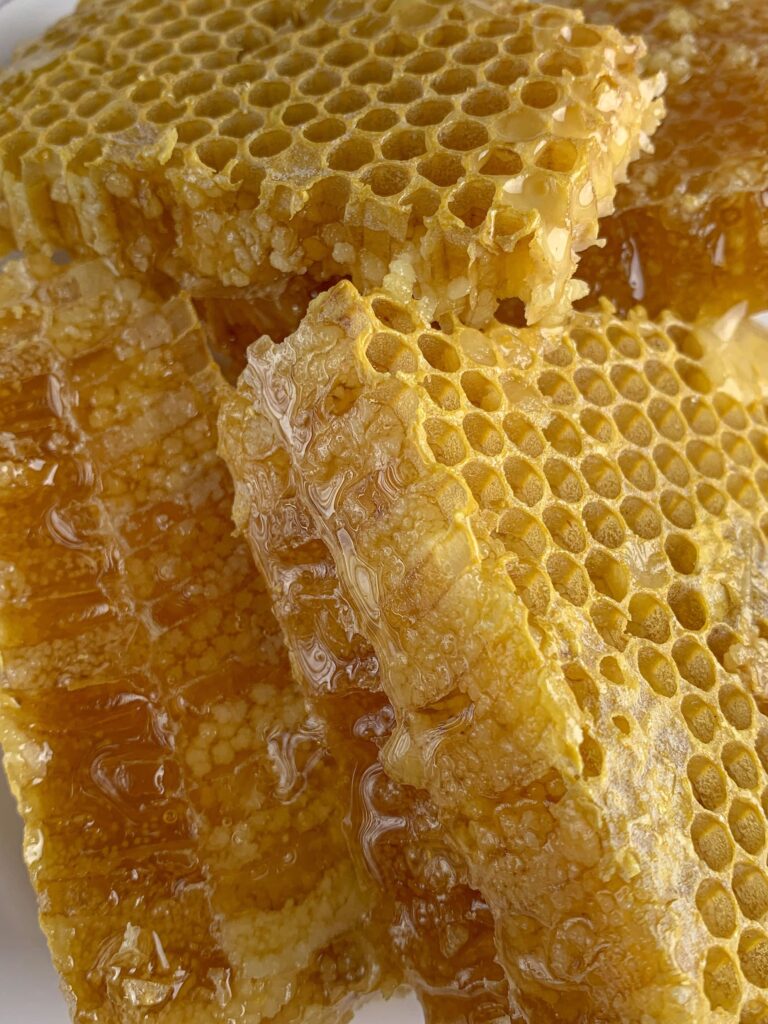
- Sidr: Sidr trees flower from late September to mid-November. The honey is dark gold and thick, and it is one of the rarest and most expensive natural honeys. The Sidr is a long-lived tree with deep roots that withstands drought and heat, and people have always sat in its shade.
- Samar: this season comes in the peak of summer, when temperatures are at their highest, which makes it one of the hardest of the year. “When we talk about Samar honey, we are not only talking about a food. We are talking about patience between the beekeeper, the bees and the tree.”
- Ghaf: the Ghaf is the national tree of the UAE and flowers in the heat and drought of summer. Its honey is light, from almost white to pale yellow.
- Mangrove (Qurm): from the mangrove forests on the coast. Ameena calls it “a gift from the sea”, and it is among the rarest honeys she produces.
Climate change makes the work harder: a tree may flower for a single week before the blossom is gone. In summer the bees work to cool their own hive, fanning their wings without stopping to protect their young and keep the wax from melting.
Emirati honey on the international stage
When she offered her Ghaf honey to a trader, he asked whether it had been tested. She sent a sample to a laboratory in Dubai; the results were among the best he had seen, and he bought the whole batch. She has since entered honey competitions and won first, second and third places, and has taken part in competitions in Paris and London.
Her story has reached travellers too: the Wasl film about her journey as the first female Emirati beekeeper is featured on Emirates.
From the apiary to visitors
Ameena wants to spread beekeeping knowledge. She has run beekeeping courses and taken her honey to farmers’ markets and exhibitions, and she says awareness of bees in the community has grown.
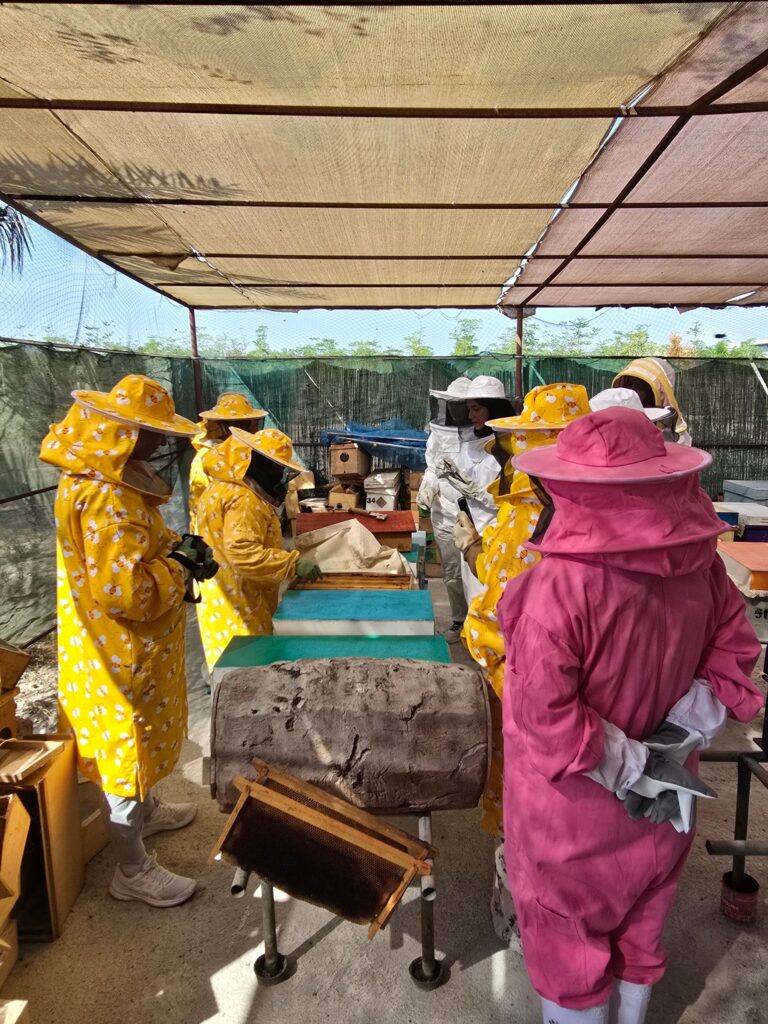
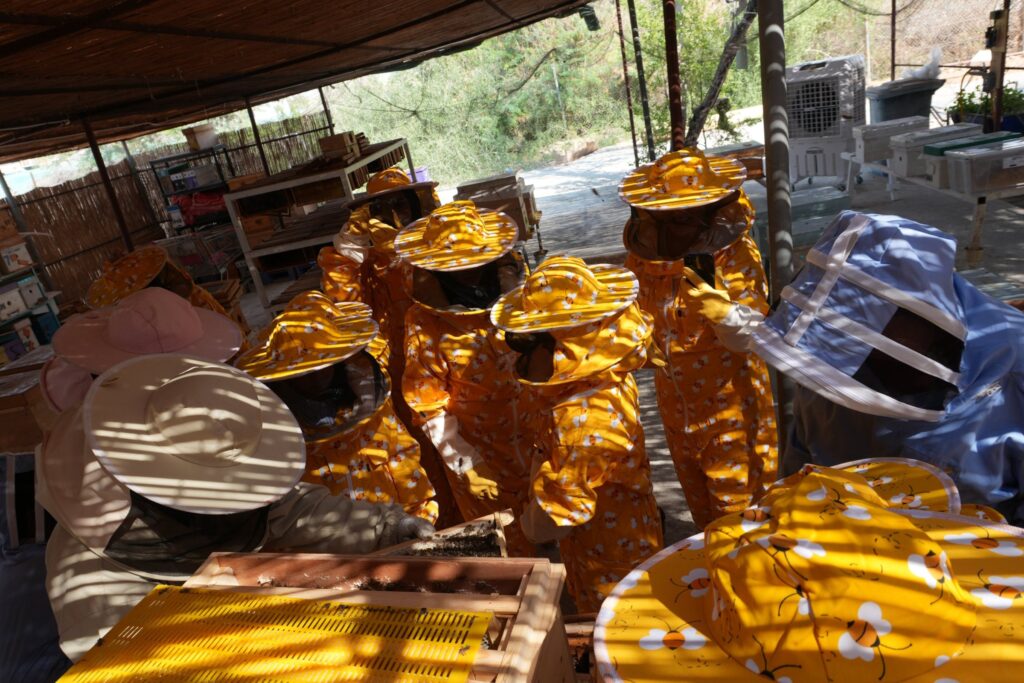
With Ameena, Travel Indigenous designed the UAE Honey Trail: a three-hour experience that includes a visit to her apiaries. Visitors meet Ameena, put on protective suits, walk among the hives, learn how a colony lives and how honey is made, then taste the honey and can buy produce from the farm. Her apiaries are not open to walk-in visitors; the UAE Honey Trail is the way to visit.
What she hopes for
Beekeepers in the UAE still face obstacles. Ameena says permits to place hives in reserves and natural pastures are hard to get, and that “beekeeper” is not yet a profession on a trade licence. Her hope is for beekeeping to become a sector that contributes to the economy, and for the UAE to be among the leading honey producers.
Watch her story
Visit Ameena
Join the UAE Honey Trail, or order Emirati honey as a customized gift for your company or event.
